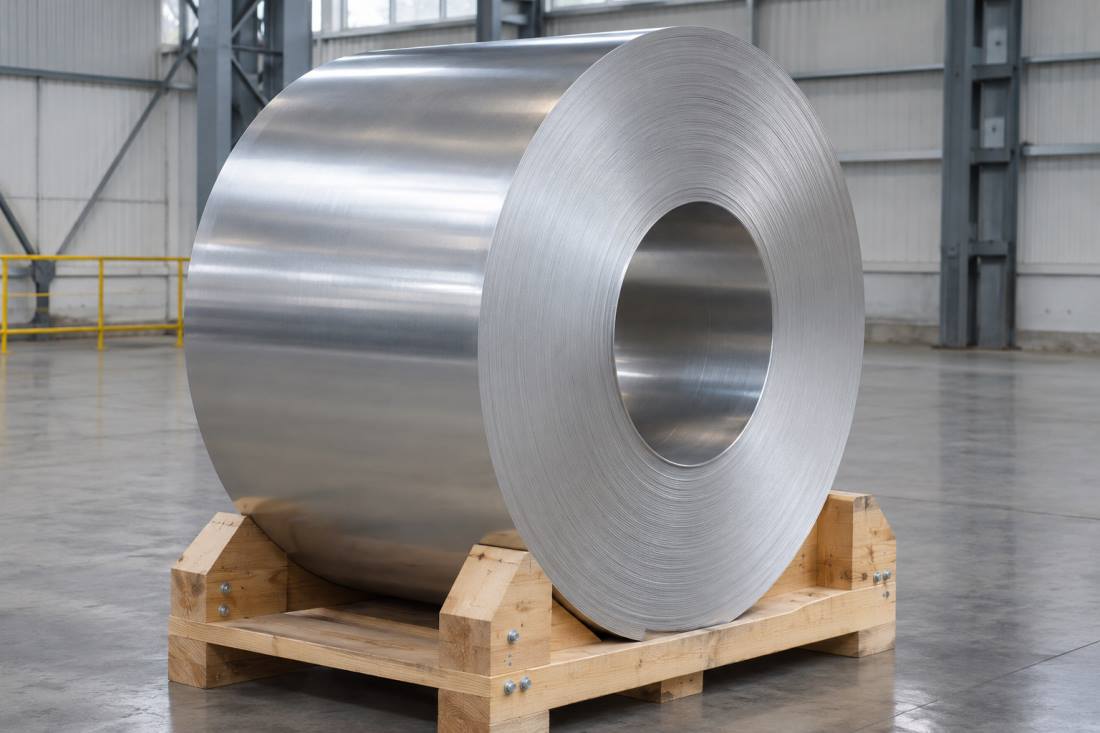
3003 Aluminum Coil
3003 aluminum coil is an aluminum-manganese product used in formed sheet-metal components, equipment panels, and general fabrication. Buyers value its workable balance of corrosion resistance and formability. Choose the temper and dimensions around the manufacturing process rather than treating the alloy name as a complete specification.
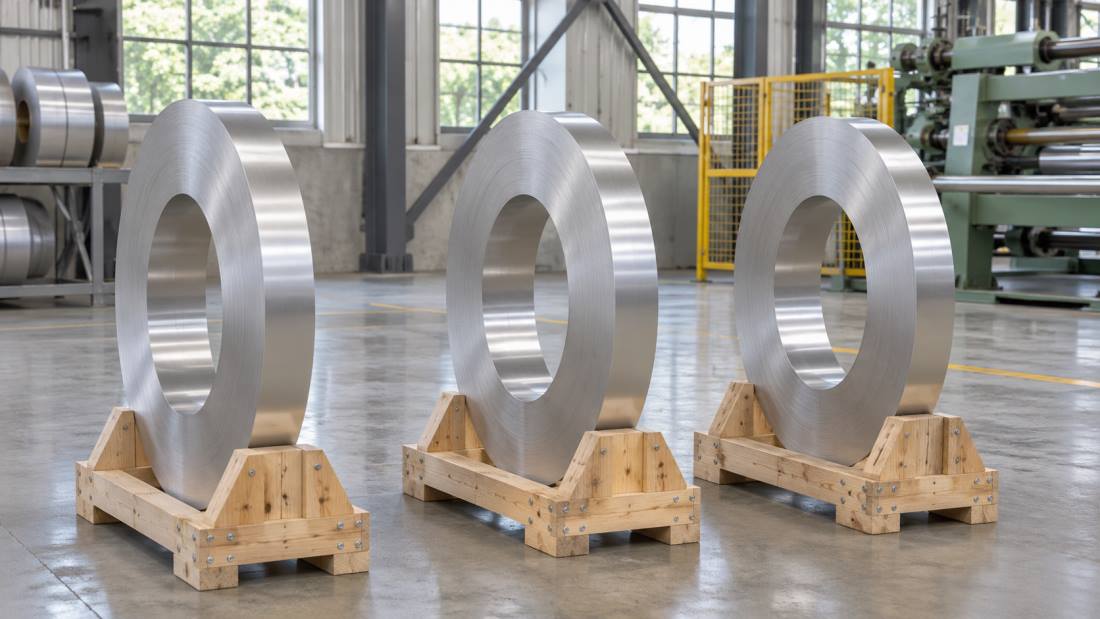
3003 Aluminum Coil Specifications
| Item | Specify With Your Order |
|---|---|
| Alloy | 3003 aluminum coil |
| Temper | Exact designation and acceptance standard |
| Dimensions | Thickness × width with tolerances |
| Coil geometry | Inside diameter, maximum outside diameter, and mass |
| Surface | Mill finish or a fully defined coating system |
| Documents | Material identity, inspection, and traceability needs |
Confirm current mill capability, minimum order quantity, and lead time in the quotation. Dimensions and tolerances should come from the drawing and processing line. An advertised range does not guarantee every combination of width, thickness, and temper is available.
3003 Aluminum Coil
Confirm temper, coil dimensions, finish, and processing requirements.
Temper and Alloy Selection
| Temper | Priority | Confirm |
|---|---|---|
| O | More demanding forming | Verify final strength and trial parts |
| H14 | General fabrication | Confirm bend radius and thickness |
| H24 | Partially annealed work-hardened condition | Approve mechanical limits and process suitability |
3003 may be considered for general formed components, while 3105 is often discussed for coated building products. The final choice depends on the product specification and forming route. Neither the alloy designation nor a sample photograph establishes suitability for a critical part.
Mechanical properties vary with temper, thickness, and the applicable product standard. Specify required acceptance limits instead of relying on a generic internet value. Keep the same specification for the sample, production order, and receiving inspection.
3003 Aluminum Coil Applications
| Application | Key Requirement |
|---|---|
| Formed covers and panels | Bend geometry, surface marks, and dimensional fit |
| Heat-exchanger-related components | Exact design, joining method, and governing specification |
| Containers and fabricated parts | Forming depth, cleanliness, and service compatibility |
| Decorative or coated panels | Surface preparation and finish acceptance |
Production Fit
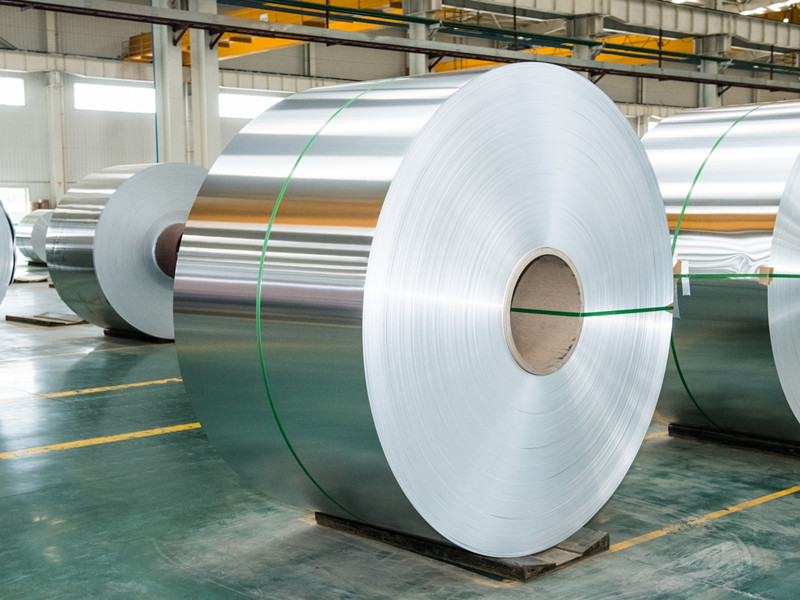
Match coil dimensions and mass to the uncoiler, feeder, tooling, and storage equipment.
Finished Appearance
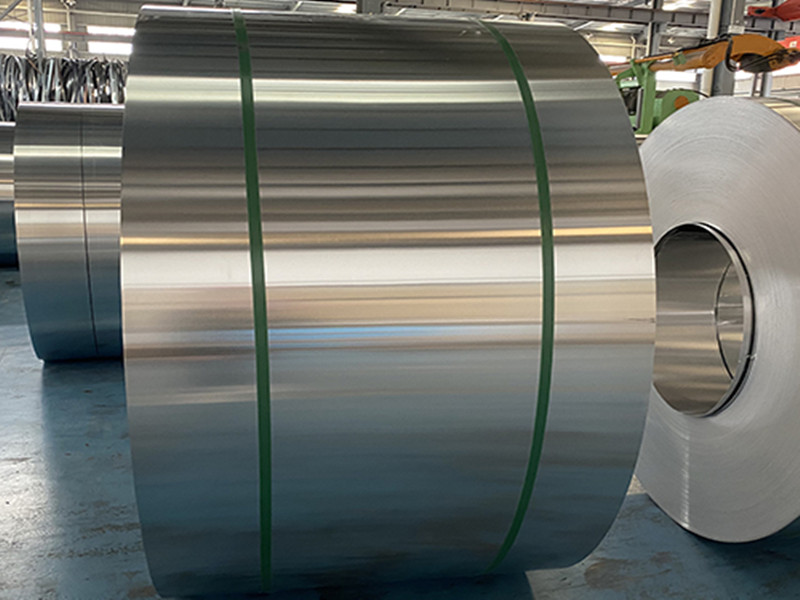
Agree on acceptable surface marks, viewing conditions, and a representative sample for visible components.
Surface and Processing Options
| Process | Check Before Production |
|---|---|
| Deep or complex forming | Trial tooling with the actual temper and thickness |
| Bending | Check grain direction, radius, cracking, and springback |
| Welding | Use a qualified procedure for the intended assembly |
| Coating or bonding | Specify cleaning, pretreatment, and finish compatibility |
| Surface Option | Confirm |
|---|---|
| Mill finish | Surface consistency and allowable marks |
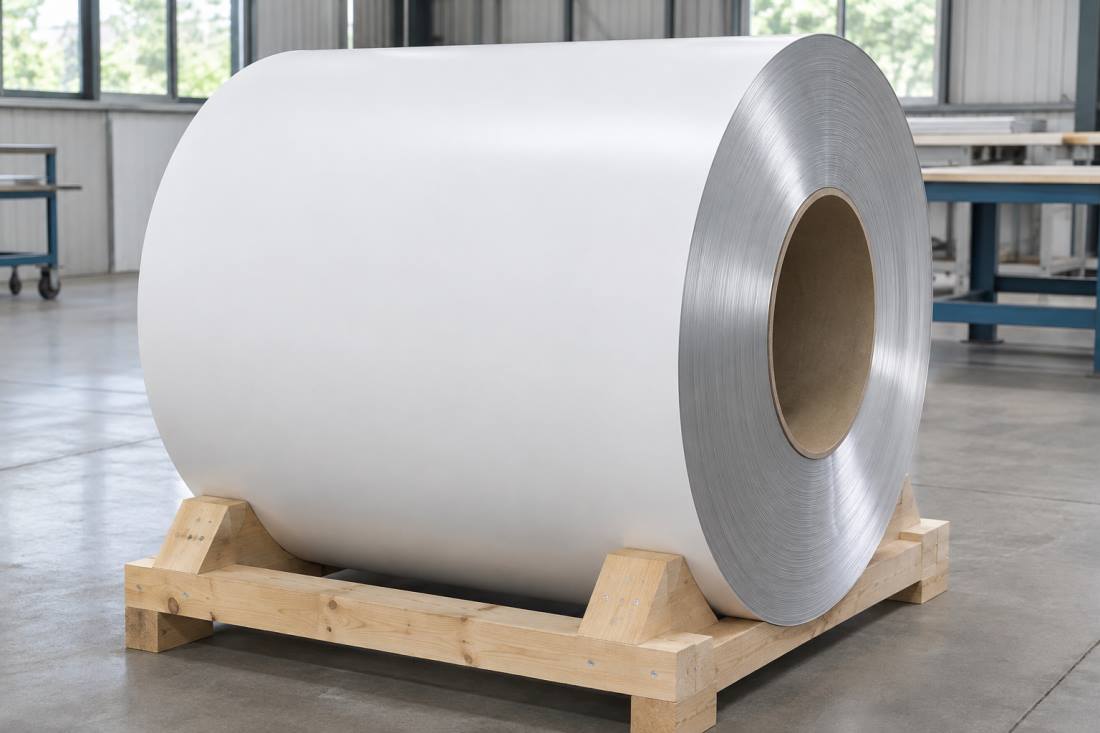
| Color coating | Paint type, pretreatment, thickness, gloss, and color |
| Protective film | Protected face, compatibility, and removal guidance |
| Slit edges | Burr limit, edge condition, and width tolerance |
Run a trial using material representative of the planned production order. Record line settings and inspect the finished part after the relevant forming and assembly steps. A flat sample alone cannot demonstrate performance after bending, hemming, coating, or installation.
For painted material, approve the complete finish system. Color matching should use an agreed sample and measurement method where required. Do not compare coatings only by a color name: pretreatment, paint chemistry, application, and curing influence the finished result.
Coil Inspection and Packaging
| Inspection | Acceptance Basis |
|---|---|
| Identity | Alloy, temper, lot, and order documents |
| Thickness and width | Agreed sampling and drawing tolerance |
| Coil shape | Winding, edge condition, and feeding suitability |
| Surface | Approved visible condition or coating sample |
| Packing | Moisture protection, edge guards, and cradle support |
Record transport damage before unloading or removing the original packing when practical. Store coils in a clean, dry environment and follow safe handling procedures for their mass and orientation. Report defects with photographs, lot references, and measured results so the affected material can be traced.
3003 Coil Production Checklist
| Item | Specify | Review |
|---|---|---|
| Trial order | Separate a trial-order quotation from the planned repeat-order basis. Confirm setup, slitting, and packing charges before comparing unit prices. | Keep the trial specification representative of the eventual production material. |
| Slit widths | Provide every required width, tolerance, quantity, and permitted edge condition. Ask how the parent coil will be allocated across those widths. | Review material yield and the handling requirements of each finished coil. |
| Coil geometry | State inside diameter, maximum outside diameter, and acceptable coil mass. Identify the uncoiler and lifting equipment limitations before approving the offer. | Check that the delivered coil can be fed safely on the intended line. |
| Visible surfaces | Distinguish exposed decorative faces from hidden internal surfaces. Agree on allowable marks and a representative approval sample rather than using a photograph alone. | Record the viewing conditions and the sample reference in the purchase order. |
| Finish approval | For painted material, specify pretreatment, coating chemistry, color reference, gloss, and agreed tests. Review the finish after the relevant forming operation. | A matching color name does not establish equivalent coating performance. |
| Production trial | Run the actual thickness, temper, finish, and width through the intended process. Record line settings, dimensional results, surface condition, and any feeding problems. | Approve the finished component before releasing the larger production batch. |
| Inspection plan | Agree on the sampling frequency, measurement method, and acceptance limits. Link inspection records to the coil label, lot identification, and order number. | Use the drawing and applicable specification as the acceptance basis. |
| Delivery scope | Confirm the named destination, delivery responsibilities, packing orientation, and unloading arrangements. Identify charges excluded from the quotation and the required shipping documents. | Compare offers only after the delivery scope is placed on the same basis. |
| Repeat supply | Keep the approved material specification, drawing revision, and finish reference for subsequent orders. Ask for written approval of changes affecting processing or appearance. | Repeatability helps avoid unexpected line adjustments and visible differences between lots. |
| Claims and records | Report nonconforming material with photographs, measured values, lot references, and the affected quantity. Retain original packing evidence when transport damage is suspected. | Clear records help distinguish handling damage from material or processing issues. |
Request a 3003 Aluminum Coil Quote
| Inquiry Item | Details |
|---|---|
| Material | Alloy, temper, intended use, and standard |
| Size | Thickness, slit width, ID, OD, and coil mass |
| Finish | Surface, coating, color, film, and approval sample |
| Quantity | Trial quantity and expected repeat demand |
| Delivery | Destination, timing, packing, and documents |
Specification → Sample review → Quotation → Production → Inspection → Shipment
Request a 3003 Aluminum Coil Quotation
Explore our aluminum coil and color-coated coil ranges. Ask for written confirmation of any departure from your request before approving the order. Retain the approved drawing and sample references for repeat purchasing.