
5052 Aluminum Sheet
5052 aluminum sheet is a versatile material for fabricated panels, enclosures, brackets, and formed components. Buyers often choose it when corrosion resistance, weldability, and formability are important. The right purchase specification covers more than the alloy name: temper, thickness, dimensions, surface condition, and inspection requirements all influence how the material performs in your workshop. This guide explains what to confirm before requesting a quotation.
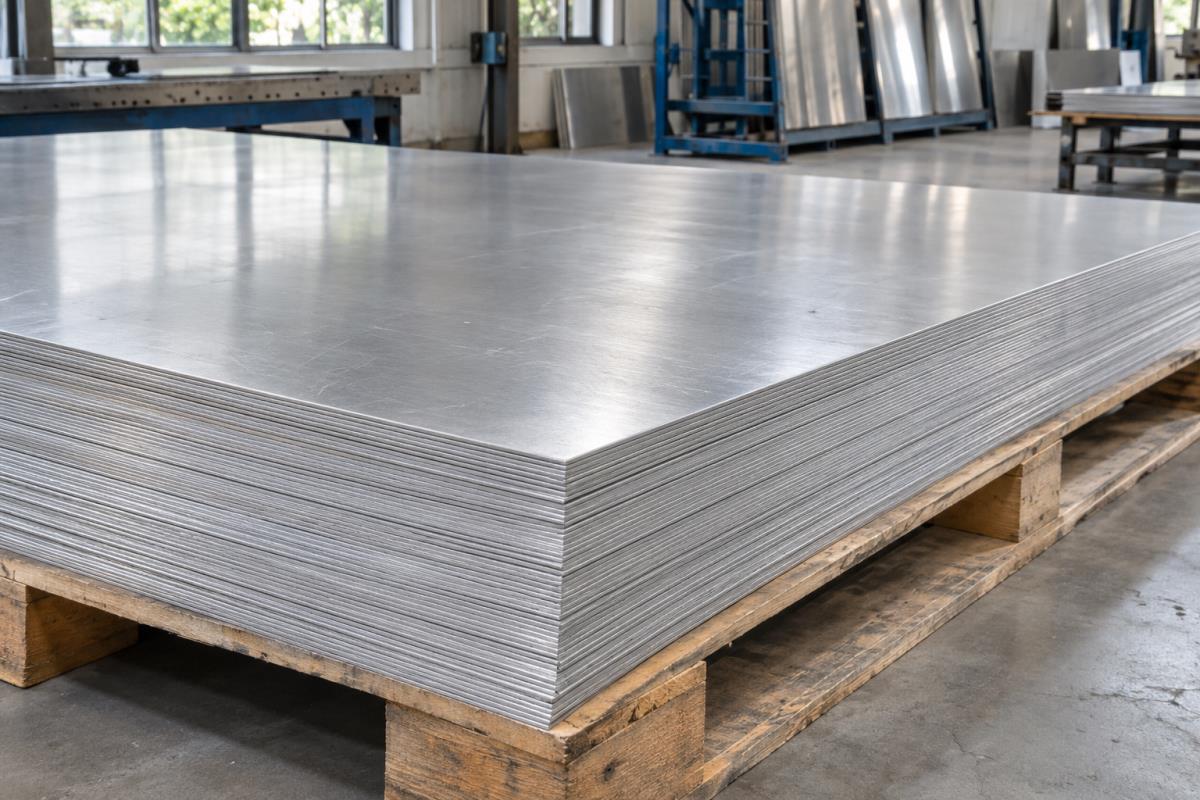
5052 Aluminum Sheet at a Glance
A practical aluminum-magnesium alloy for formed and welded sheet-metal parts.
Specify: temper • thickness • dimensions • surface • quantity.
5052 Aluminum Sheet Specifications
| Ordering Item | What to Specify |
|---|---|
| Alloy | 5052 aluminum sheet |
| Temper | O, H32, or H34; confirm availability |
| Dimensions | Thickness × width × length, with tolerances |
| Surface | Mill finish; protective film if required |
| Documentation | Applicable standard, inspection, and traceability requirements |
Choose the Temper Before Choosing the Bend
5052 is a non-heat-treatable aluminum alloy. Its supplied condition is controlled through processing and temper. O temper provides a softer starting point for demanding forming. H32 is a common option for general fabrication requiring a balance of strength and formability. H34 is a harder condition and may need a different bending approach. Confirm the available temper for your required thickness and product specification.
| Temper | Selection priority | Confirm before production |
|---|---|---|
| O | Demanding forming | Finished-part strength and trial bends |
| H32 | General sheet fabrication | Radius, tooling, and bend direction |
| H34 | Harder supplied condition | Forming limits for the selected thickness |
Do not substitute one temper for another without reviewing the drawing. Mechanical acceptance limits depend on thickness, product form, and the governing standard. Where strength or elongation is critical, specify the required limits and documentation. A general property value found online should not replace the acceptance criteria on an approved purchase order.
Thickness, Sheet Size, and Cutting Yield
| Item | Specify | Why It Matters |
|---|---|---|
| Thickness | Nominal value and tolerance | Bending and finished-part fit |
| Width × length | Stock size or cut-to-size blank | Cutting yield and handling |
| Flatness & edges | Drawing limits and edge condition | Assembly and surface quality |
| Quantity | Sheets, weight, and repeat demand | Comparable quotations |
5052 Compared with Other Aluminum Options
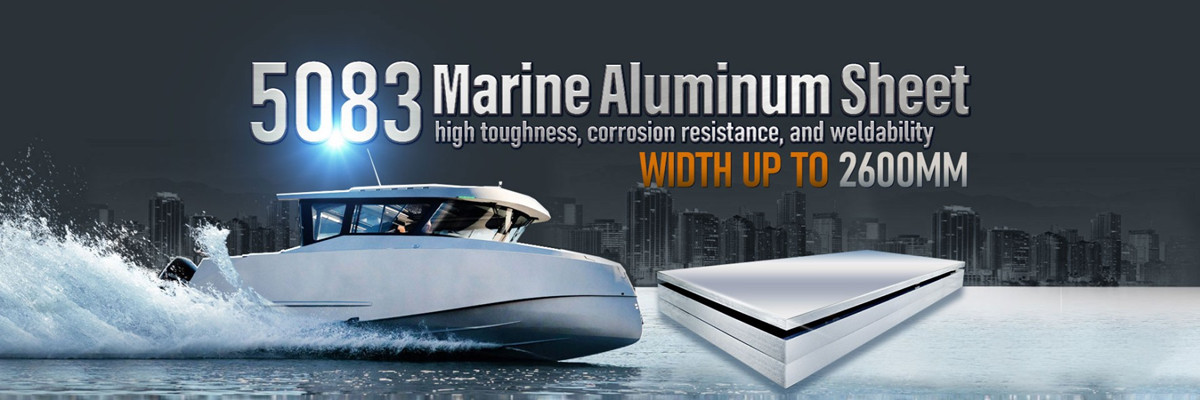
Select material around the complete manufacturing and service requirement. If a design calls for a different balance of strength, machining behavior, or corrosion performance, review alternatives with the designer. Compare our 5083 aluminum sheet and 6061 aluminum plate pages as starting points for discussion. These alloys should not be treated as interchangeable substitutes.
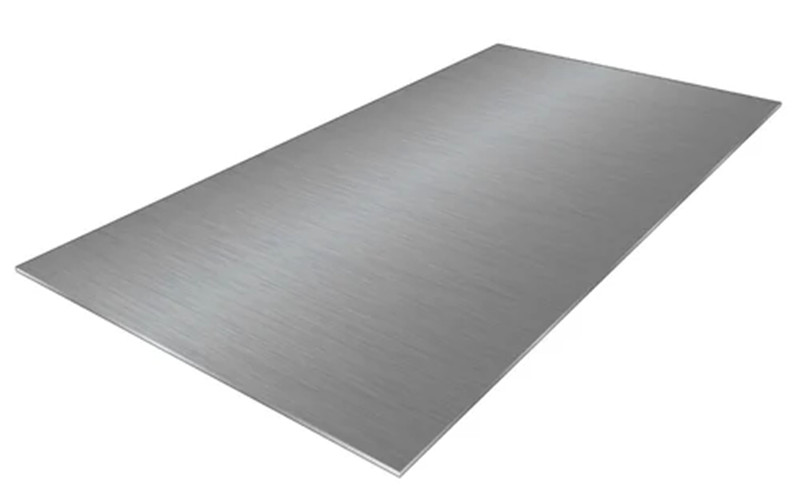
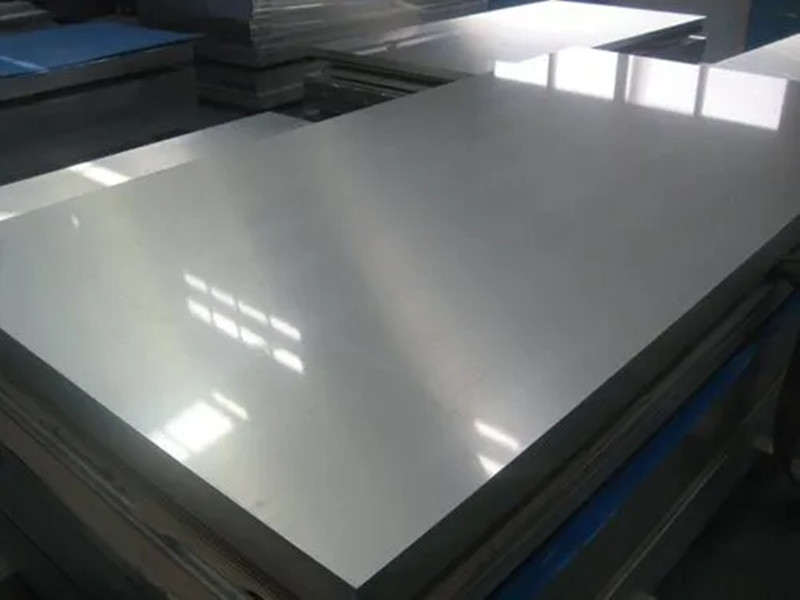
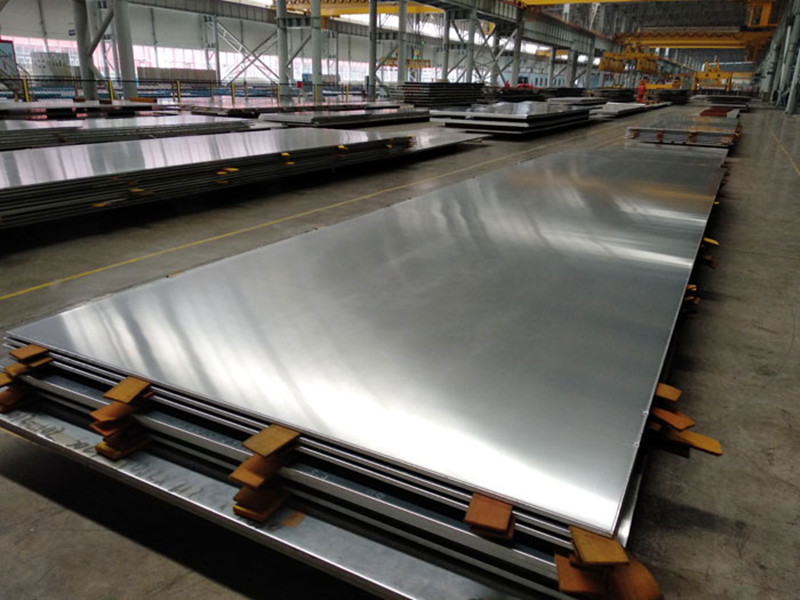
5052 Aluminum Sheet Applications
Common applications include equipment covers, electrical cabinets, vehicle panels, general sheet-metal parts, and fabricated containers. Coastal equipment and marine-related fabrications may also use this alloy, subject to the design and service conditions. Start with the actual environment: indoor storage, outdoor weather, salt exposure, cleaning chemicals, and operating temperature create different demands. Describe these conditions when discussing a material recommendation.
Equipment Covers & Enclosures
Choose sheet for formed covers, electrical cabinets, and protective panels. Confirm bend radius, thickness, and the visible surface requirement.
Coastal & Outdoor Components
Assess the exposure, coating system, and component design. Material selection must match the actual environment and approved engineering requirements.
The finished component also matters. A decorative cover needs a different inspection approach from a hidden support bracket. A welded tank requires checks beyond those needed for a flat panel. For structural, pressure-containing, or safety-critical parts, use the approved engineering specification. A material commonly used near water does not automatically qualify every assembly for marine service.
Mill Finish and Surface Protection
| Surface Requirement | Confirm Before Ordering |
|---|---|
| Mill finish | Acceptable marks and surface consistency |
| Visible panels | Approve a representative appearance sample |
| Protective film | Protected face, process compatibility, and removal guidance |
| Painting or bonding | Cleaning and pretreatment required by the coating or adhesive supplier |
Bending and Welding Considerations
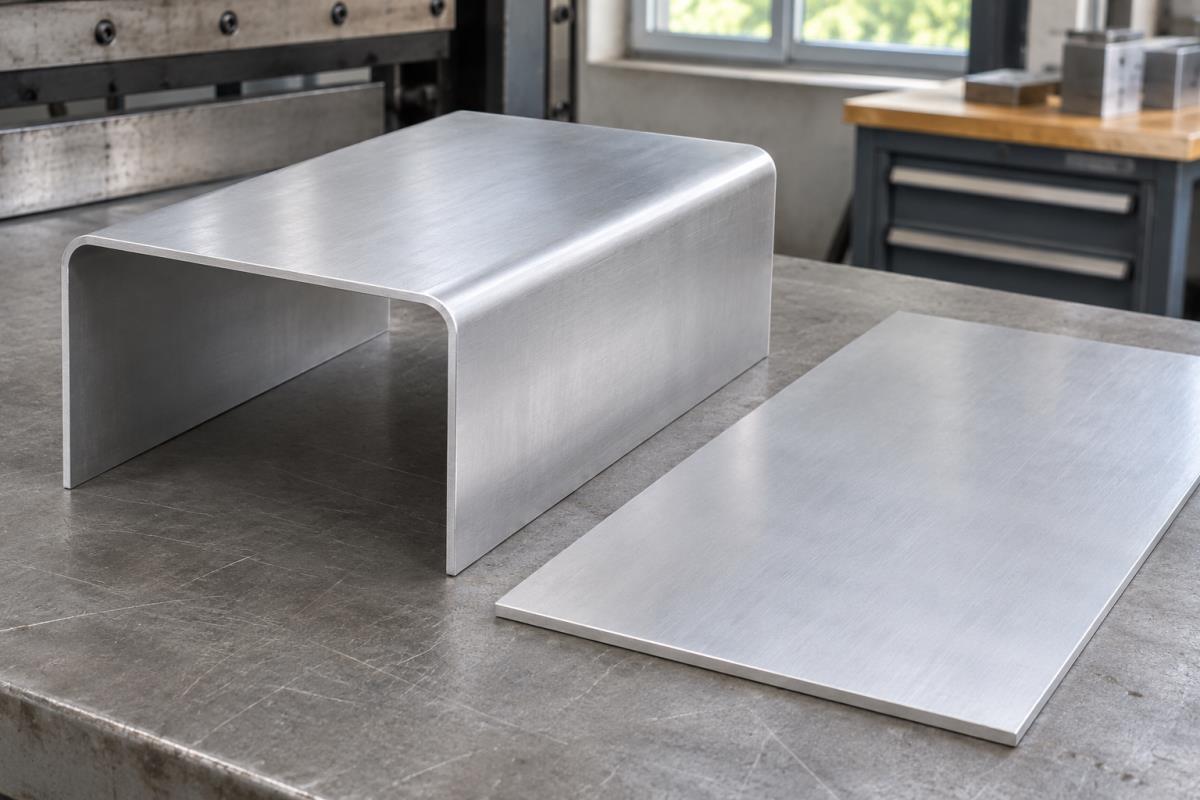
| Process | Main Check |
|---|---|
| Bending | Use the actual temper, thickness, tooling, and bend direction |
| Tight-radius parts | Trial bend; inspect for cracking and measure springback |
| Welding | Use a suitable procedure and consumables; control distortion |
| Critical joints | Qualify the completed joint for its service requirement |
Inspection and Material Documentation
| Check | Acceptance Basis |
|---|---|
| Material identity | Alloy, temper, and agreed documentation |
| Dimensions | Thickness, width, length, and drawing tolerances |
| Surface | Approved appearance and handling requirements |
| Traceability | Lot identification connected to delivery records |
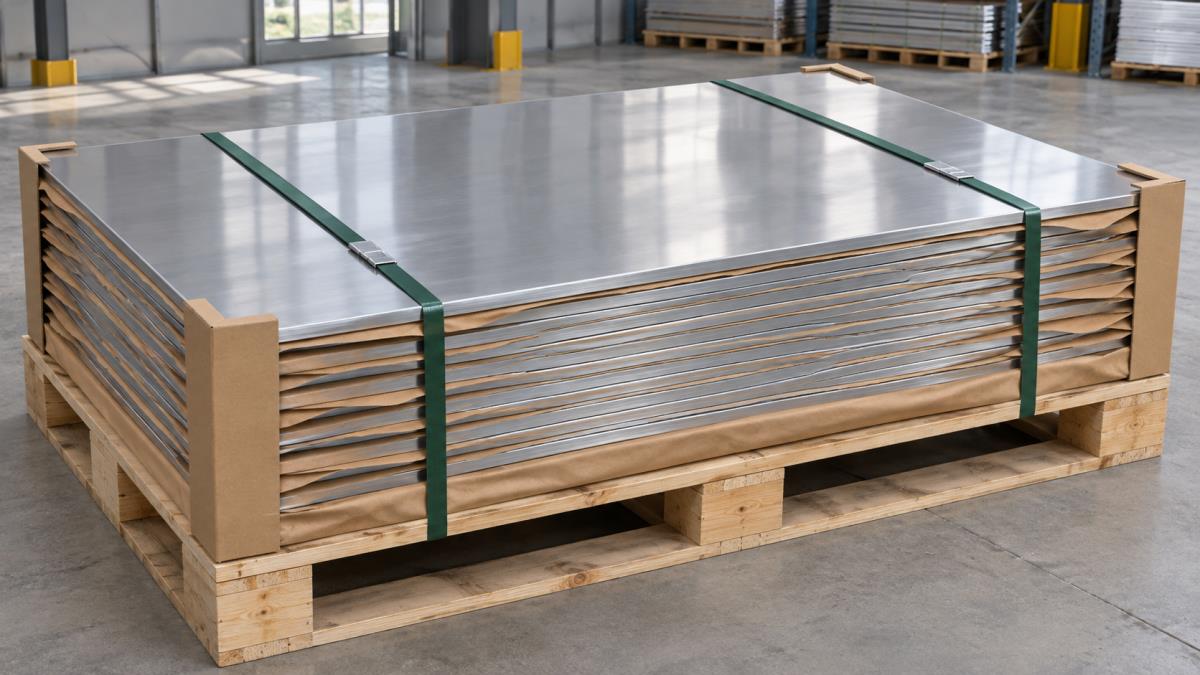
| Packing | Face and edge protection, pallet support, and moisture control |
Ordering Process
Requirements → Material confirmation → Quotation & sample review → Production, inspection & shipment
Request a 5052 Aluminum Sheet Quote
| Send With Your Inquiry | Details |
|---|---|
| Material | 5052; required temper and governing specification |
| Dimensions | Thickness × width × length, with tolerances |
| Quantity & delivery | Sheets or weight, destination, and requested timing |
| Finish & documents | Surface, protective film, packing, and certification needs |
| Drawing | Current revision and intended application |